What the Plate Would Allow
A studio archive, and the technology that quietly dictated what it could show.
Between 1873 and the studio’s final years, Charles Milton Bell photographed several thousand people in a portrait studio on Pennsylvania Avenue in Washington, D.C. Most of what can be known about him has already been gathered elsewhere — the Library of Congress holds more than 25,000 of his glass negatives, catalogued, digitized, and freely available to anyone who wants them. This is not an attempt to recover Bell, who is already well documented.
What interested us instead was the archive itself — not as a record of one photographer’s career, but as an unintentional record of something else: thirty-some years during which the technology of portraiture quietly changed — a shift no single sitting could have shown, visible only now, looking back across the whole run at once.
I. Portraits Serving Many Purposes
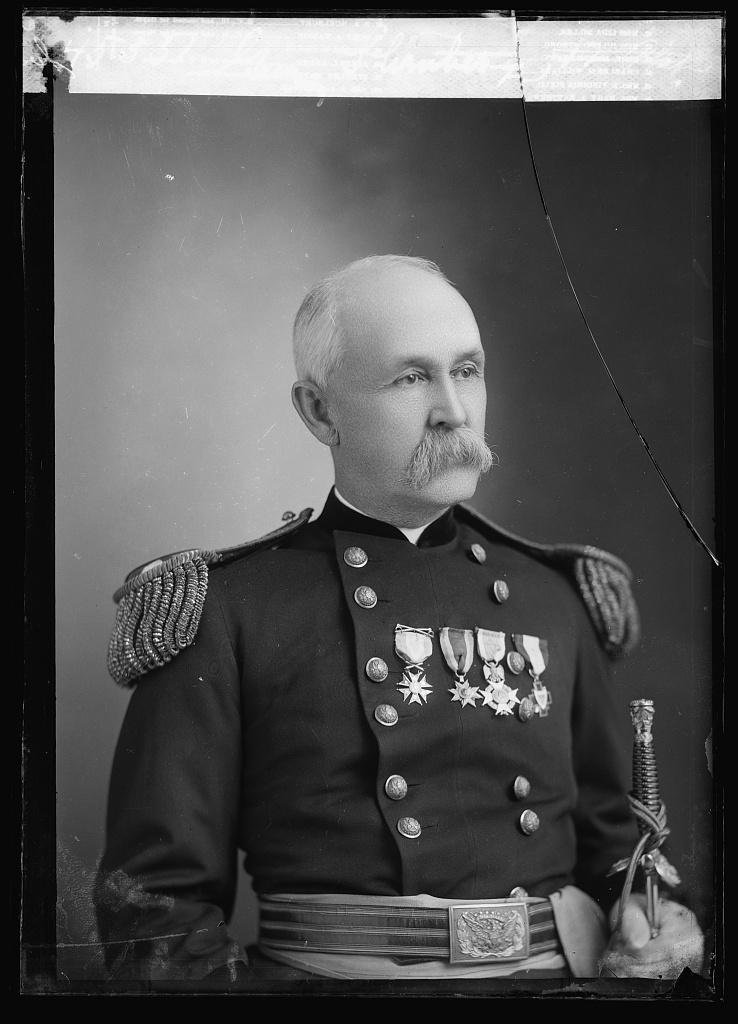
Charles Milton Bell opened his own studio on Pennsylvania Avenue in 1873, the youngest in a family of Washington photographers, and spent the next three decades building it into one of the city’s most sought-after portrait practices. He began in the wet collodion years, when a negative had to be coated, exposed, and developed within minutes of itself, and worked on through the shift to gelatin dry plates that would come to define the studio’s later output. His sitters were as varied as the capital around him — senators and cabinet officials, embassy staff and visiting dignitaries, church leaders, businessmen, members of Washington’s Black middle class, families arriving for a single portrait they might never sit for again. Some came for photographs meant to matter for a long time — official likenesses, wedding portraits, images made to be kept. Others, it seems, came simply because a studio portrait was what a household did once, or once a decade.
Bell died in 1893. His wife, Annie, kept the studio running. Around 1900 the business was sold, though it kept operating under his name until 1909. In 1916 a rival Washington photographer bought the negatives and pulled out the ones showing Indigenous delegations who had sat for Bell over the years — those went on to the Bureau of American Ethnology, decades later. What remained of the collection was bought by a man researching human heredity, who was drawn to it as a record of families photographed across generations. His research materials passed to a genetics association. The Library acquired the negatives from that association in 1975.
So before any of these faces became part of a public archive, they were, in order: a studio’s paying customers, a photographer’s inventory, evidence in someone else’s inquiry into inheritance, and finally a donation. Nobody in the original photographs could have known which of those futures their portrait would end up serving.
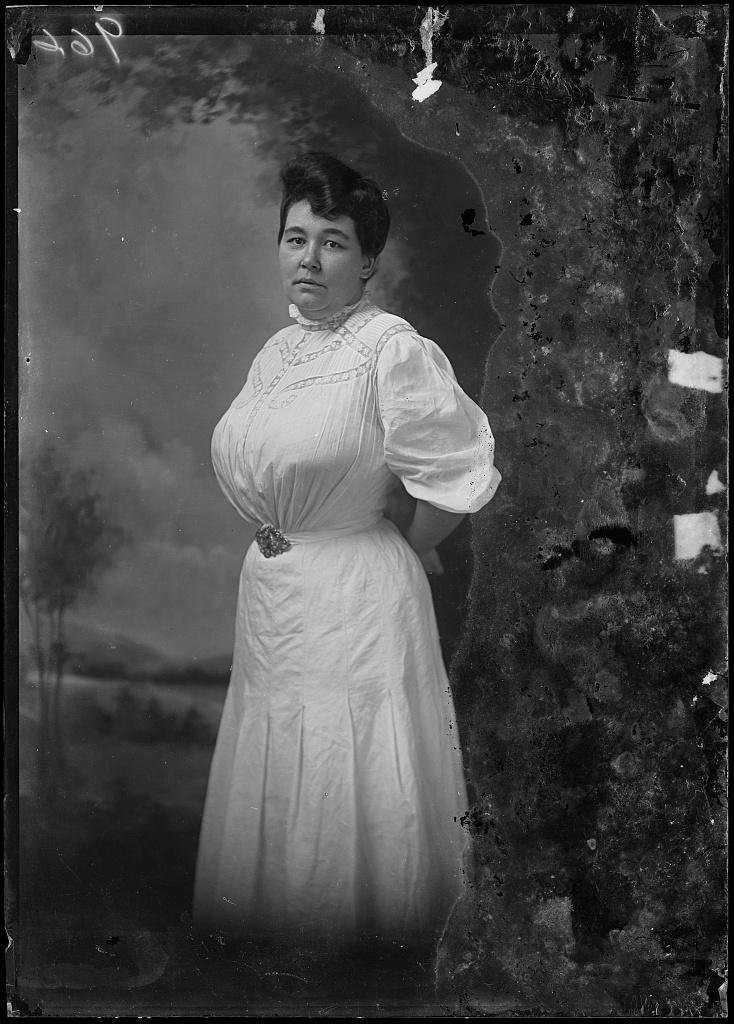
One plate in the collection — a full-length portrait of a woman, hand on her hip, caught mid-turn — shows the collodion emulsion lifting away from the glass along one edge, fogging the corners where it has begun to flake. No studio label survives to say who she was or when she sat; the Library’s own record can only place her somewhere across the collection’s full forty-year span. It is not a flaw we are cropping around. It is the physical record of the process itself failing, slowly, in a basement or a farm building somewhere, for decades before the plate reached anyone who could stabilize it.
II. Whoever Paid
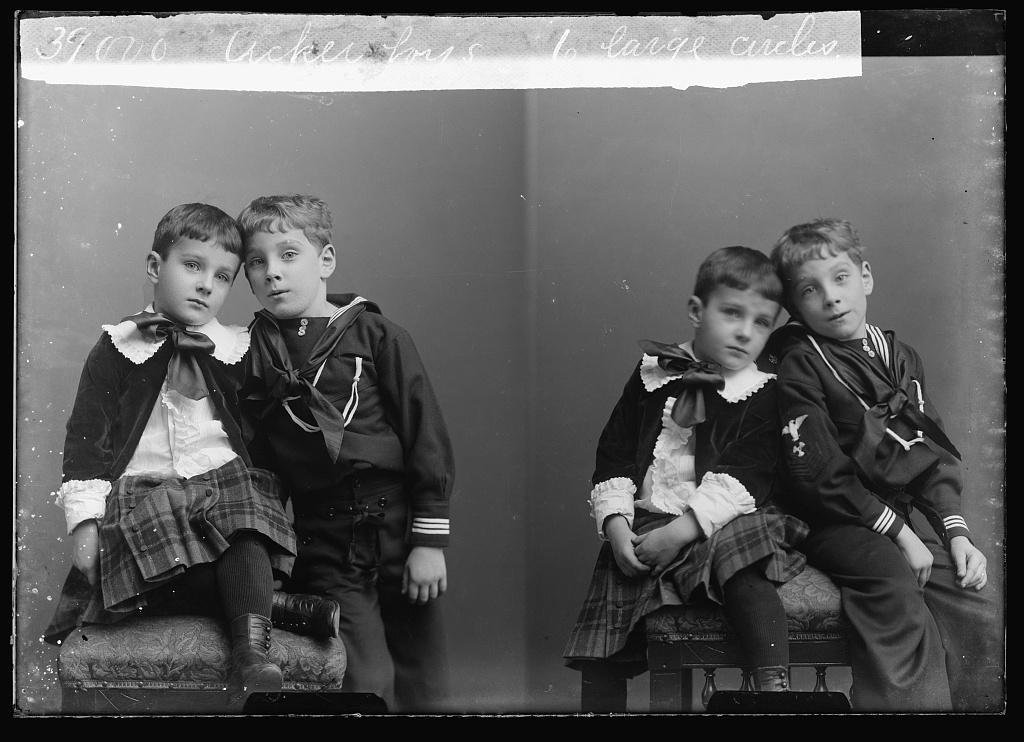
The Library’s own guide to the collection includes a quiet warning: many identifications in the collection belong not to the person photographed, but to whoever commissioned the photograph. Some go further than that. A pair of brothers recorded only as “Acker Boys” — two poses from one sitting, neither boy individually named. A woman with no name at all: no studio label survives for her, and the Library could only date her somewhere within the collection’s entire forty-year span, unable to narrow it any further.
It is worth sitting with what that means. An archive can preserve a name and still not preserve the person. It can also simply fail to try. Somewhere in these 25,000 plates are faces that outlasted their own identification — and at least one who was never given one to begin with.
III. What the Plate Would Allow
Bell’s studio opened in the last years of the wet collodion process, when a portrait required the sitter to hold still for several minutes under difficult light, often with a headrest doing some of the work invisibly. By the early 1880s, dry gelatin plates had taken over — faster, more forgiving, requiring far less of the person in the chair.
You can see the difference, though not always where you’d expect it.
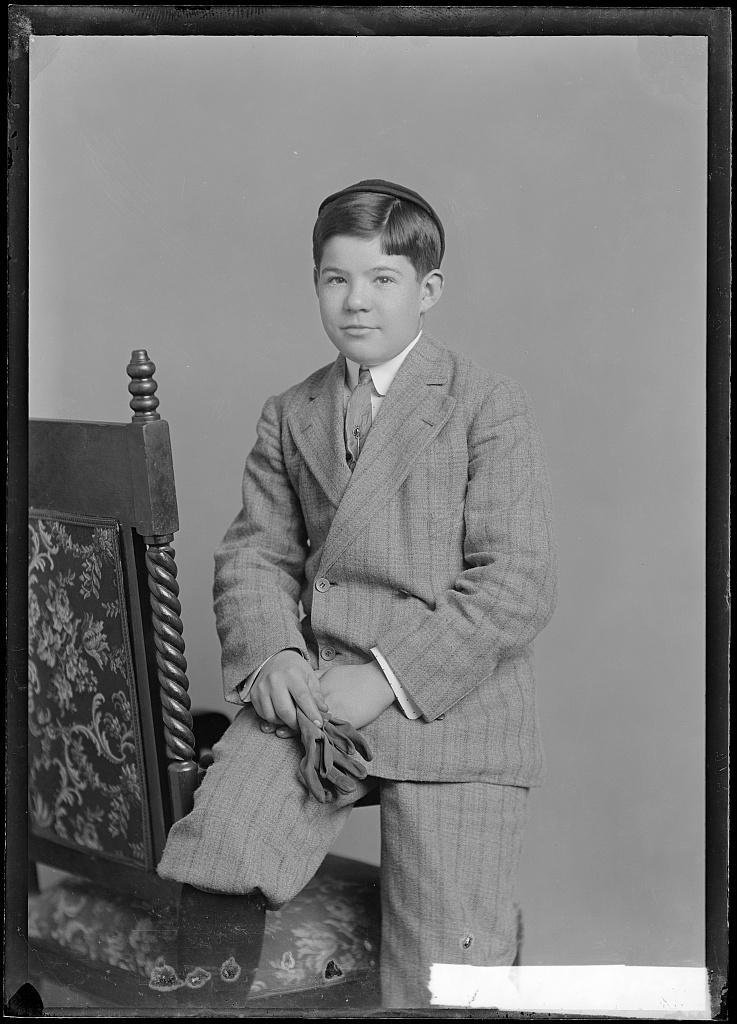
Seated portraits. Two sitters, similar framing, roughly thirty years apart: the earlier subject fixed and direct, hands and head held in place; the later subject looser — a real, slightly uneven smile, hands loosely clasped rather than arranged. This is the clearest pairing in the collection, and the plainest evidence of what a shorter exposure allowed a face to do.
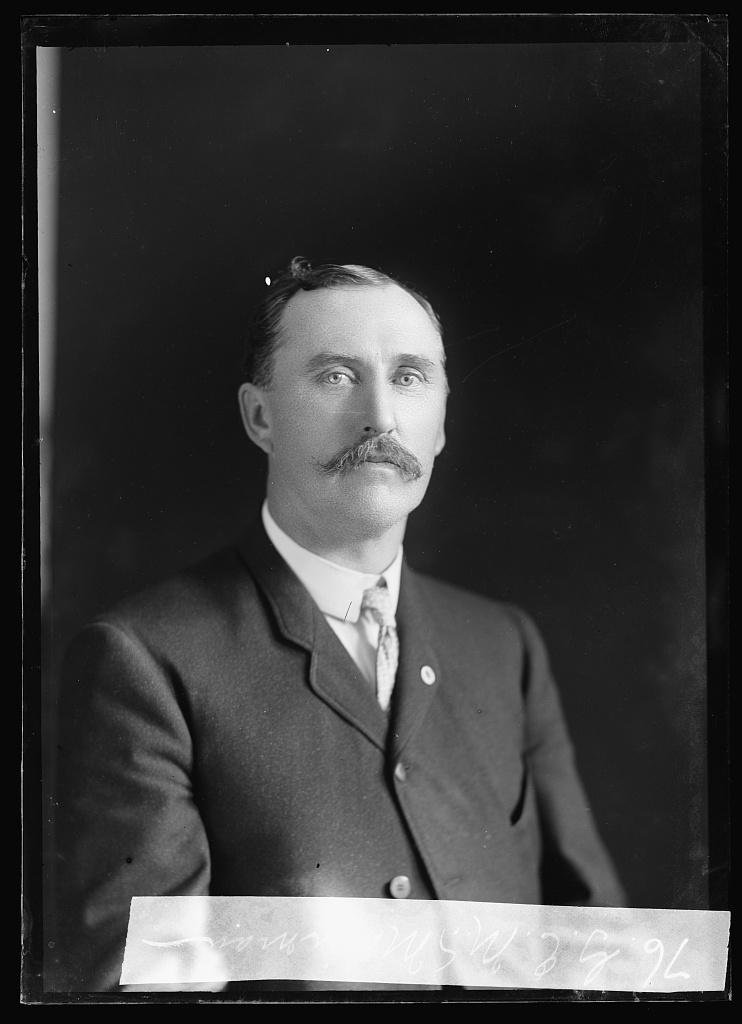
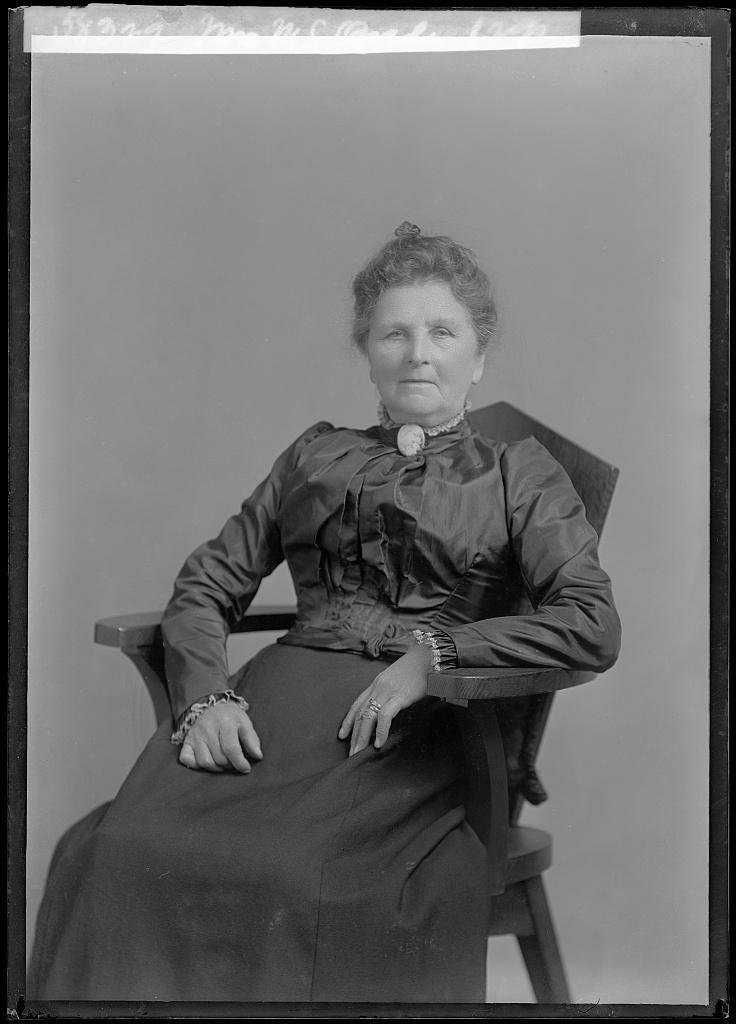
Roughly thirty years apart, and the difference here is smaller than elsewhere in this collection — a slight settling in her hands, resting rather than held. The two sittings look, if anything, more alike than not.
IV. What Wasn’t Attempted
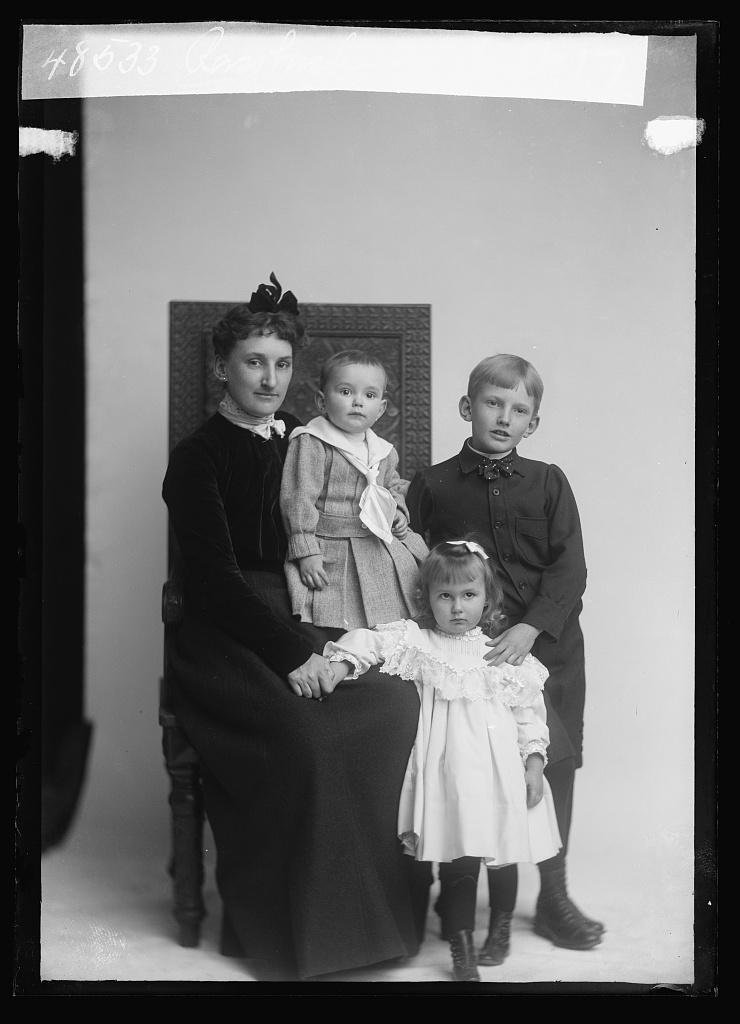
The more telling evidence may not be in any single pair of images. It’s in what’s largely missing from the studio’s earliest years altogether: portraits of young children, and portraits of more than one person in a frame.
In the material available to us from 1873, there is scarcely a child, and scarcely a group. By the early 1900s, both are common.
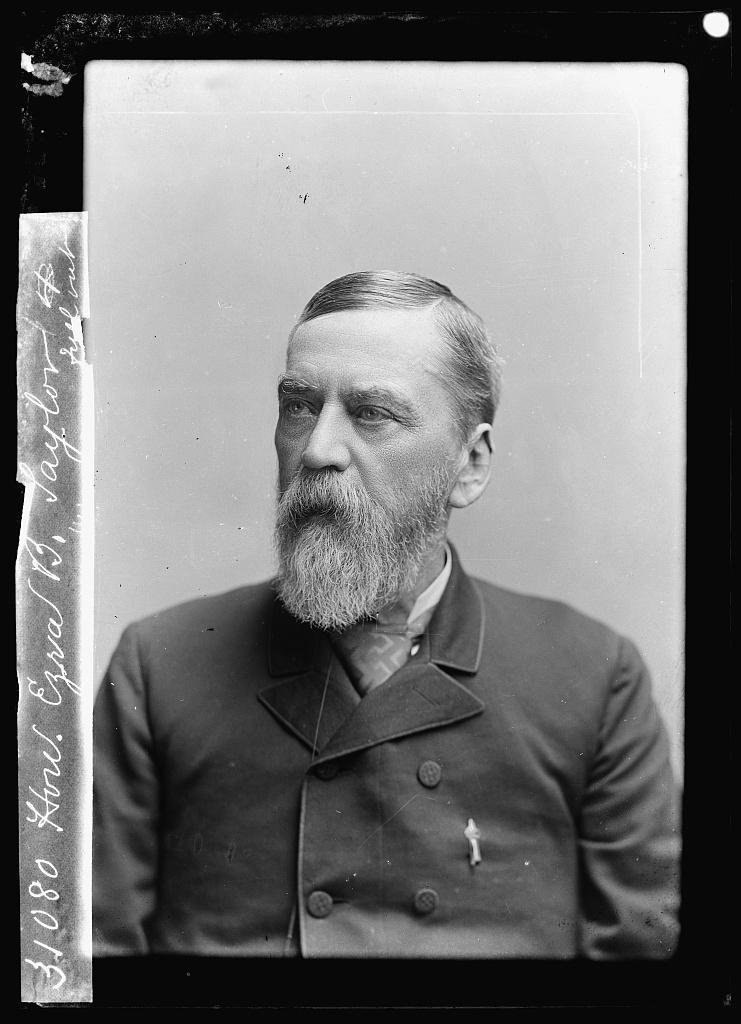
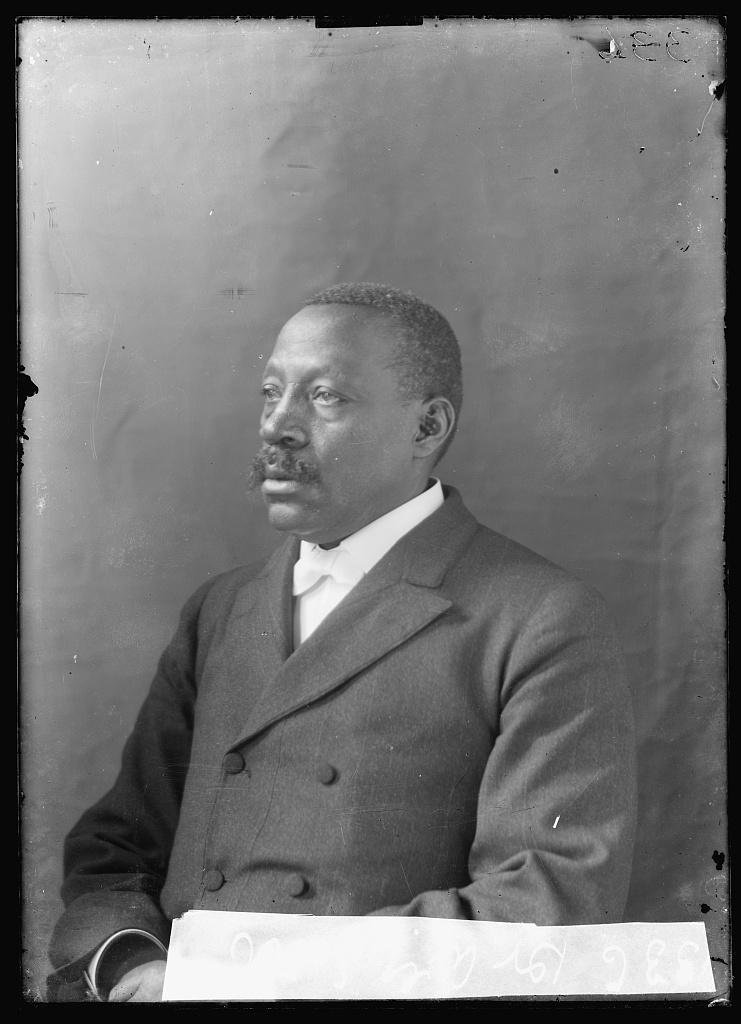
A wet-plate exposure long enough to demand real stillness from one adult became, with several children in frame at once, a matter of probability: the more people, the more likely someone moves. It seems the studio simply didn’t attempt what it couldn’t reliably deliver. When the technology caught up, the subjects it was willing to photograph changed with it.
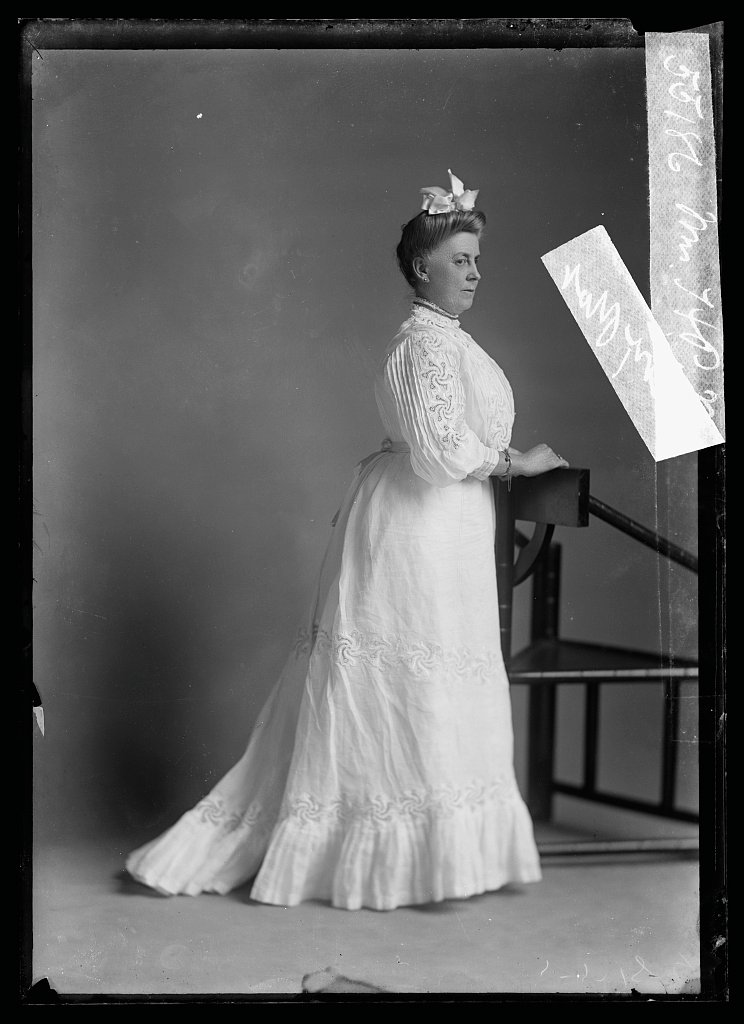
There is a third absence worth naming alongside these two. Full-length portraiture is just as scarce in the studio’s confidently dated early years — the handful of full-length plates old enough to plausibly be early carry no reliable date at all, only the widest range the Library could offer. The earliest full-length portraits we can date with any real confidence begin closer to 1891. A full-length exposure demanded a smaller aperture, and so a longer one, than a seated bust portrait — asking a sitter to hold still over more of the frame, for longer. It seems this, too, was something the studio simply didn’t attempt until the plates could support it.
V. What This Piece Kept
Digging into Bell’s practice taught us less about the man than about the thirty years his studio happened to span — years in which photography itself quietly changed shape, plate by plate. None of that would be visible now, well over a century and a half later, without the sheer scale of what he left behind: thousands of sittings, plate after plate, enough to trace a change that no single portrait could show on its own. His life is documented well enough elsewhere already; anyone curious about the studio itself, its clients, its eventual closing, can find that record without our help here.
What this piece tried to hold onto instead was smaller, and easier to miss: the process itself. Not only the man behind the camera, but what the camera would allow, and when. That felt worth a place in this section too. An archive isn’t only the people it preserves. Sometimes it’s the conditions they were preserved under.
Image Credits
All photographs in this piece are drawn from the C. M. Bell Studio Collection, Library of Congress Prints & Photographs Division, and carry no known restrictions on publication.
References
C. M. Bell Studio Collection of Photographs, Library of Congress Research Guide, Prints & Photographs Division — overview, collection strengths, and search guidance for the full 30,000-negative collection.
“Free to Use and Reuse: 19th-Century Portrait Photos”, Library of Congress Blog, June 2017 — the studio’s history and provenance, including its passage through later owners.
“A Brief Guide to Photographs on Glass,” National Science and Media Museum — on the albumen, wet collodion, and gelatin dry plate processes, and the shift in exposure times between them.
Charles Milton Bell, Wikipedia — for a general biographical overview and list of notable sitters.
The Archives section of Between, Still looks for photographic work that time has largely set aside — practitioners whose contribution to the medium deserves a second, more sustained look. If you know of a photographer, a studio, or a body of work that has been overlooked.
Write to us at editor@betweenstill.com with the subject line: “Archive Lead”.
All suggestions are read.
Leave a reflection
What stayed with you after reading? We welcome thoughtful, respectful responses.
Write to us at: editor@betweenstill.com