Making Her Own Way
Bayard Wootten and a Life Made Through Photography
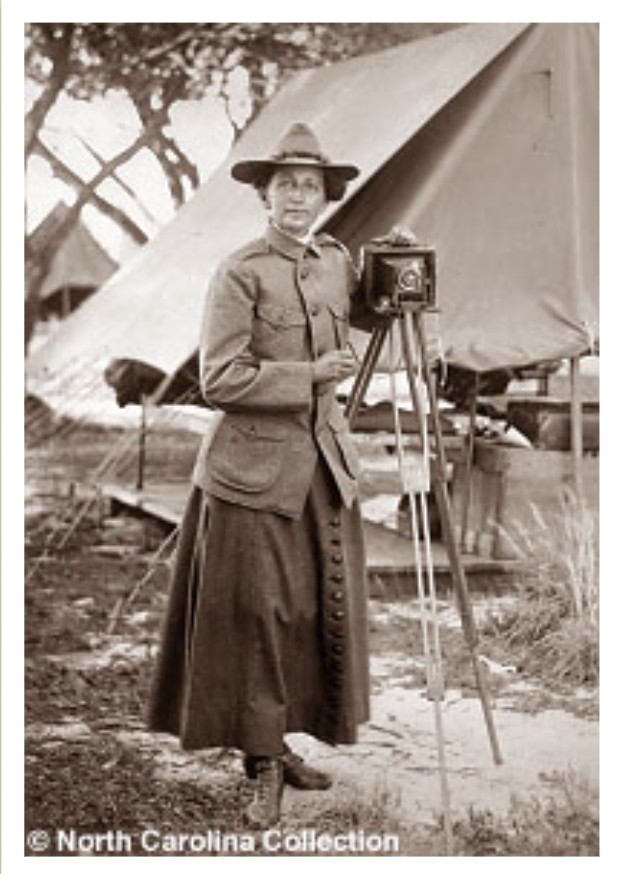
Bayard Wootten came to photography through necessity and turned it into a way of working, traveling, and living on her own terms.
Her beginnings in the medium were marked less by romance than by refusal. In 1904, a photographer in North Carolina lent a camera to the divorced single mother and reportedly muttered that she would “never make the grade.” Within a year, he had come to see her as a competitor and took the equipment back. Wootten, who until then had supported her family by selling paintings and drawings, responded by buying her own camera. That act of resolve became the foundation for a life of unusual independence and range.
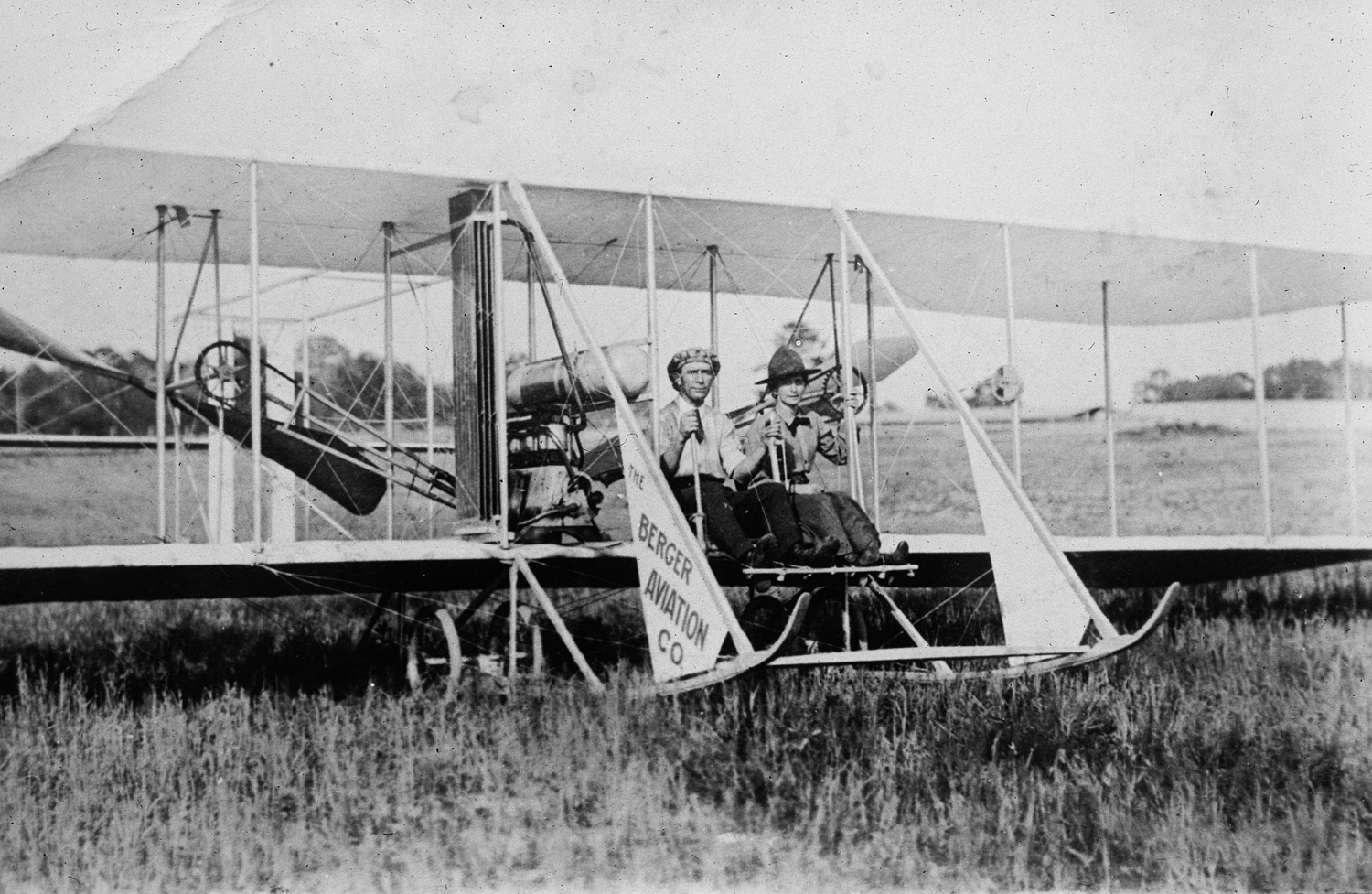
It is easy to tell her story through its many firsts. In 1902, she designed the original Pepsi-Cola logo for a neighbor’s new soft drink. In 1914, flying in a Wright Brothers plane, she made aerial photographs over New Bern and is widely credited as one of the first women to do so. Her work with military camps led to her becoming the official photographer of the North Carolina National Guard, and she is often described as the first woman in that organization. These distinctions matter. But what lingers is not simply the milestone. It is the temperament behind it: courage, adaptability, and a refusal to remain confined by the expectations of her time.
What makes Wootten especially compelling now is not only that she was exceptional, but that she was industrious. Her first small studio stood beside her family home, where she made portraits and personal postcards. Soon she earned enough to move into the business district, and then on to Camp Glenn, where she sought work from a National Guard summer training camp nearby. There she sold thousands of postcards in a single summer and eventually secured a small studio on the grounds. The title she was given — “Chief of Publicity” — says something about the scale of her ambition, but so does the daily reality of it. She wore her uniform each day, worked in an overwhelmingly male environment, and kept going through whatever skepticism or ridicule came her way.
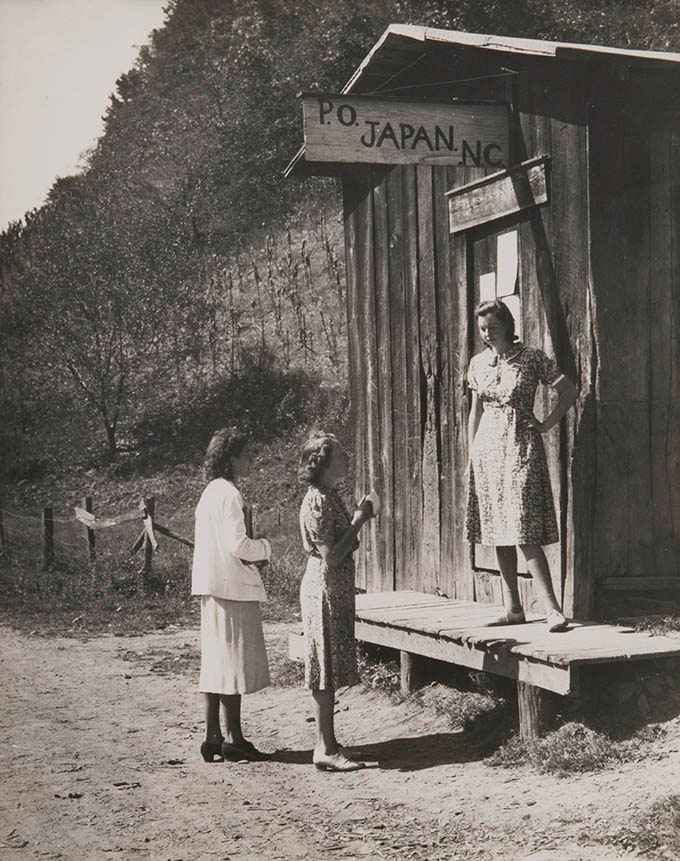
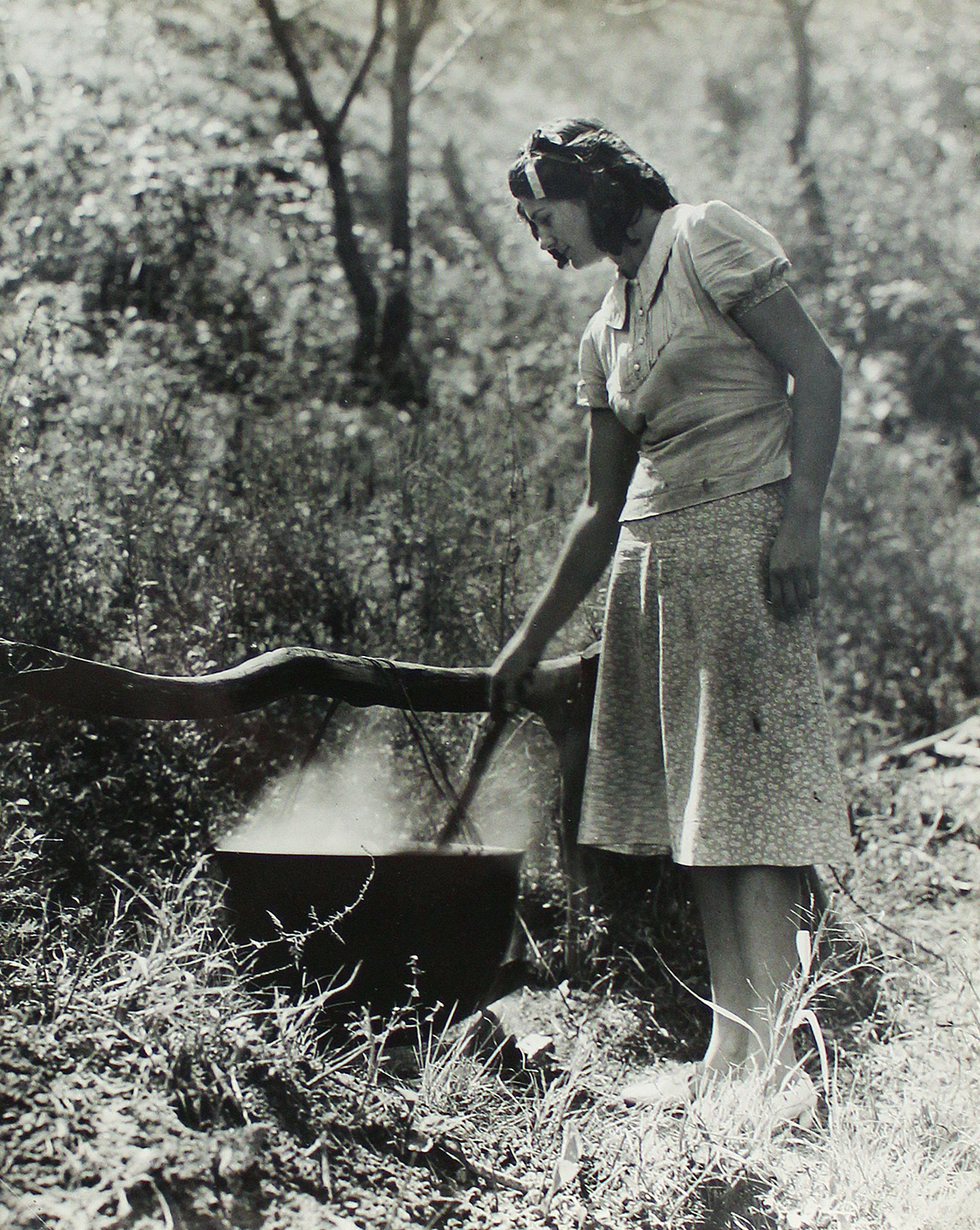
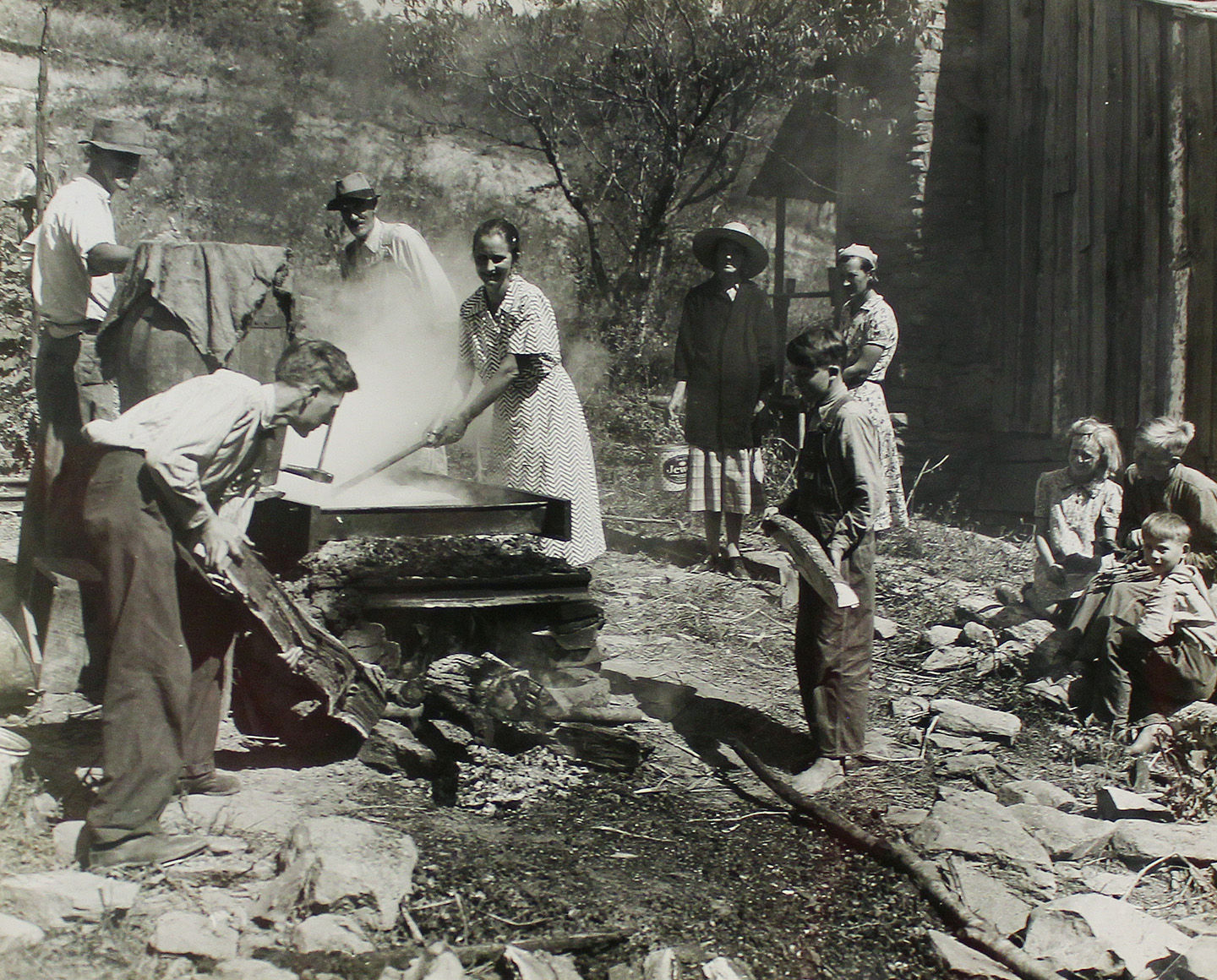
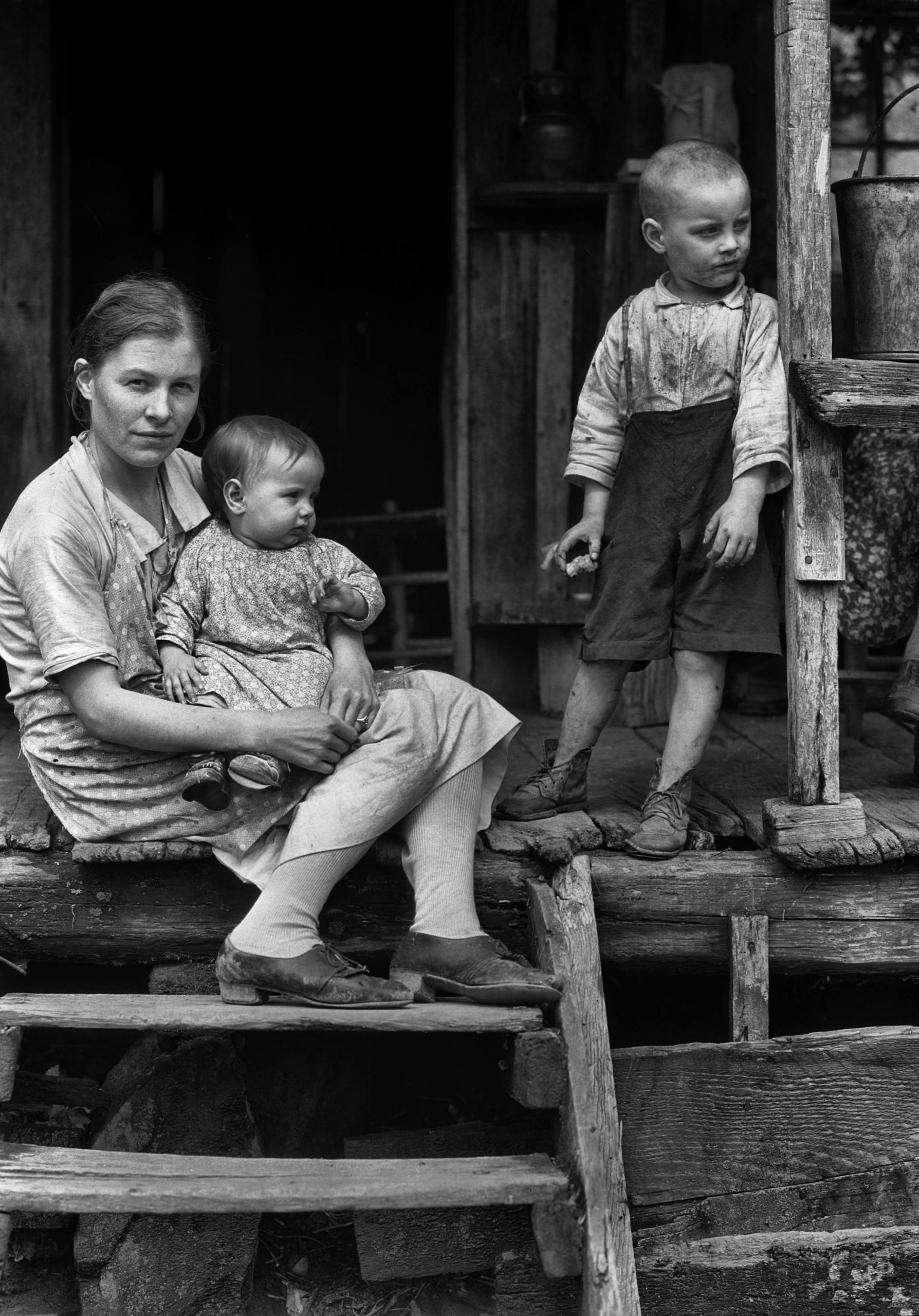
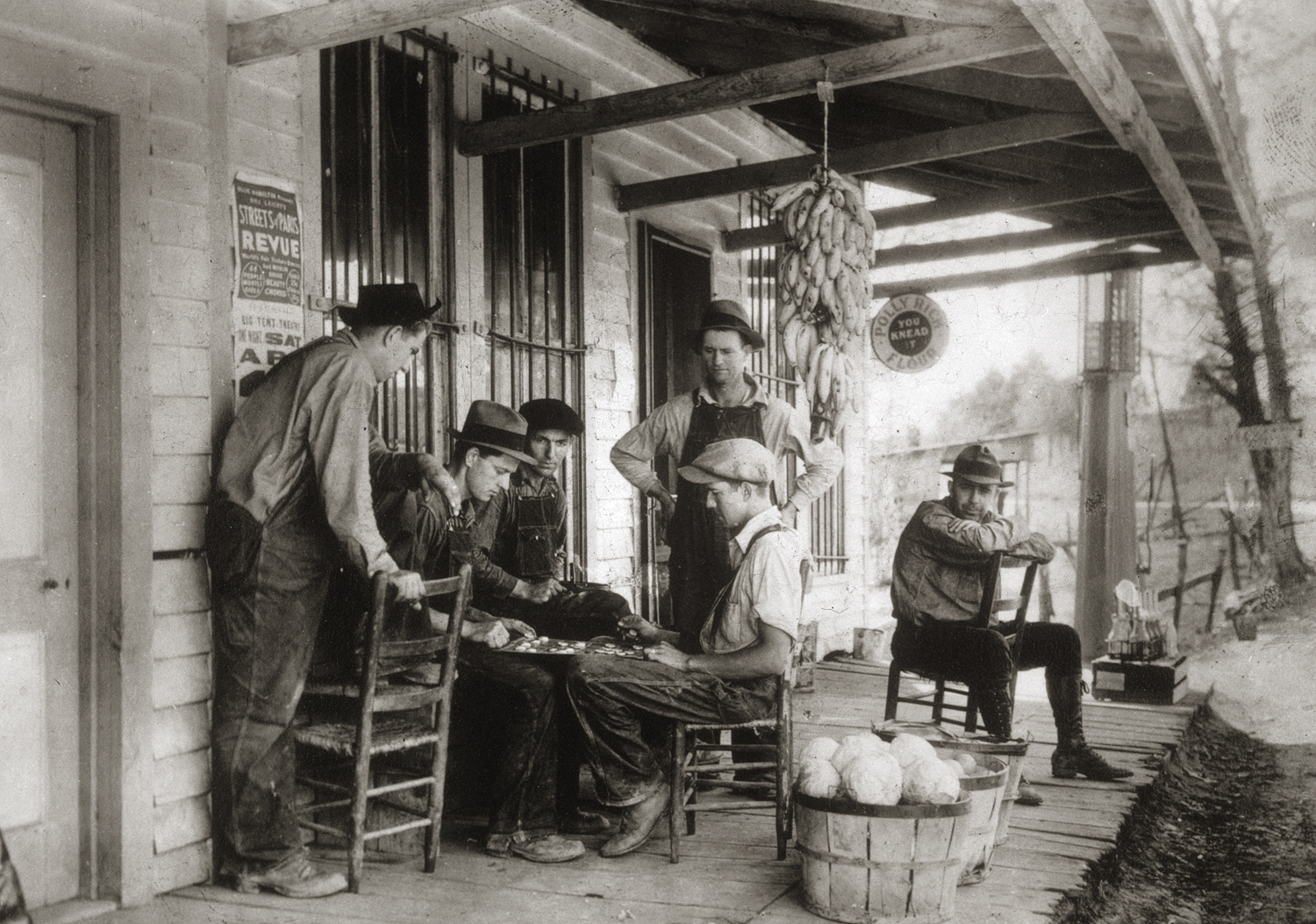
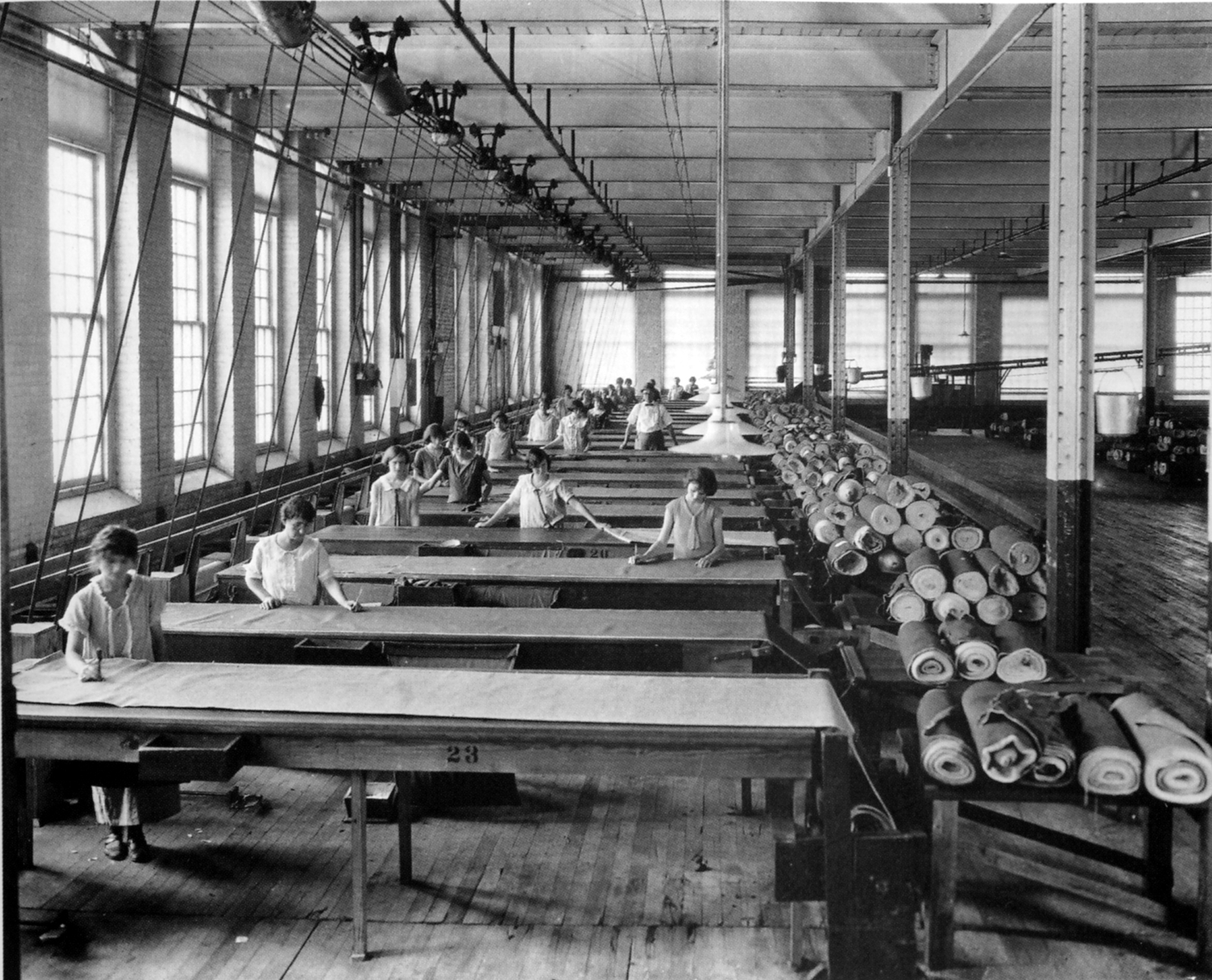
That same spirit runs through the photographs themselves. In rural North Carolina, Wootten looked at people with steadiness rather than spectacle: a small gathering outside the post office in Japan, North Carolina; a woman bent over a steaming pot; a larger communal scene shaped by labor, heat, and daily ritual. A mother seated on a porch with her children. Men gathered outside a storefront. Women working across long tables in a mill. These photographs do not depend on drama. Their power lies in attention.
Again and again, her pictures return to ordinary life as something worthy of being fully seen. She moved between domestic space, public space, rural space, and working space with unusual ease. That range feels central to her achievement. She often photographed people in their own environments rather than against studio backdrops, and the result is work that feels inhabited rather than staged. She seems less interested in the exceptional moment than in the texture of how people lived, labored, gathered, and endured.
That quality may also have come from the way she moved through the world. Those who knew her said she had a way of putting people at ease. In places where strangers were often met with suspicion, she was welcomed into homes, invited to stay the night, offered supper. That matters when looking at the photographs now. Their intimacy does not feel extracted. It feels earned.
Photography, in Wootten’s hands, was more than an art form. It was livelihood, mobility, and a claim to authority. After buying her first automobile in 1918, she traveled widely across North Carolina to photograph scenery and daily life, while her family helped keep the portrait studios running. Over time, her practice expanded into landscapes, commercial commissions, university yearbook work, murals, and book illustration. She moved between portraiture, postcards, documentary observation, landscape, and publishing without surrendering the clarity of her gaze. She was not simply enduring hardship and making images along the way; she was building a serious, adaptive photographic life.
To look at Bayard Wootten now is not simply to admire a trailblazer. It is to encounter a photographer who understood that a camera could be a means of freedom: a way of making a living, entering the world, meeting other lives with seriousness and care, and making a place for oneself within it. What remains, beyond the milestones, is the example of a life shaped by resolve, curiosity, and the discipline of sustained work.
Image Credits
Bayard Wootten photographs courtesy of the North Carolina Collection, UNC Chapel Hill Libraries.
References
UNCG Library, “Bayard Wootten: Trailblazing Photographer.”
The New York Times Lens, “Single Mother, Pioneering Photographer: The Remarkable Life of Bayard Wootten.”
Postcard History, “Bayard Wootten: Photographer and Postcard Producer.”
The Johnson Collection, “Bayard Wootten.”
Additional archival research from the North Carolina Collection, UNC Chapel Hill Libraries.
Leave a reflection
What stayed with you after reading? We welcome thoughtful, respectful responses.