To Live Free
Words drawn from conversations with Cary Stuart
“I want to know who I am and live free.”
It is a simple sentence, but it carries the weight of a life interrupted and still being gathered back together. In Cary’s words, freedom does not arrive as something grand or finished. It feels closer to breath, to safety, to the possibility of waking into a day that belongs to you.
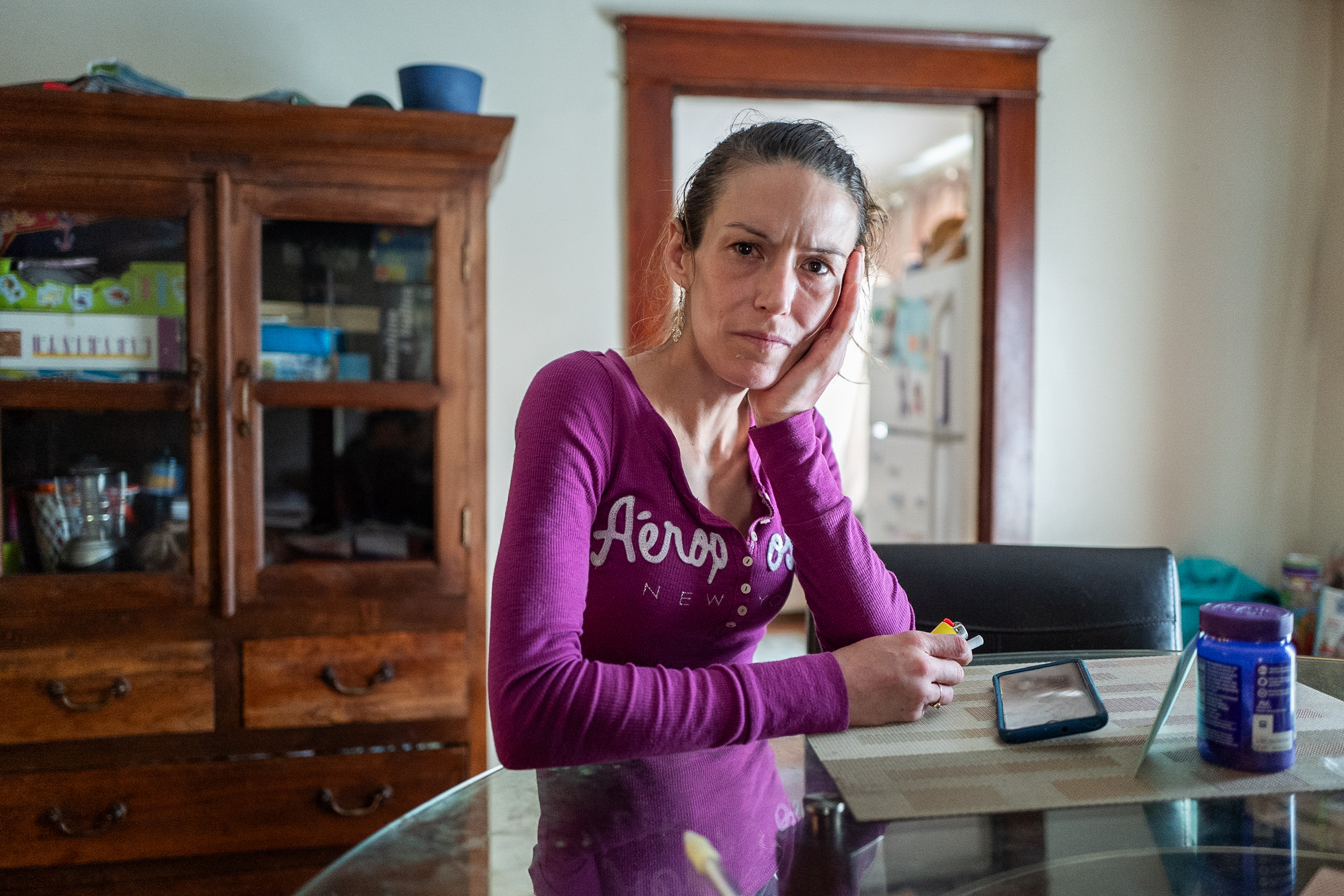
Years earlier, Cary was lured by the promise of another life. What followed was coercion, violence, addiction, and a long estrangement from herself. What remains surfaces here in the body, in memory, in recovery, and in the fragile effort to keep moving through ordinary time.
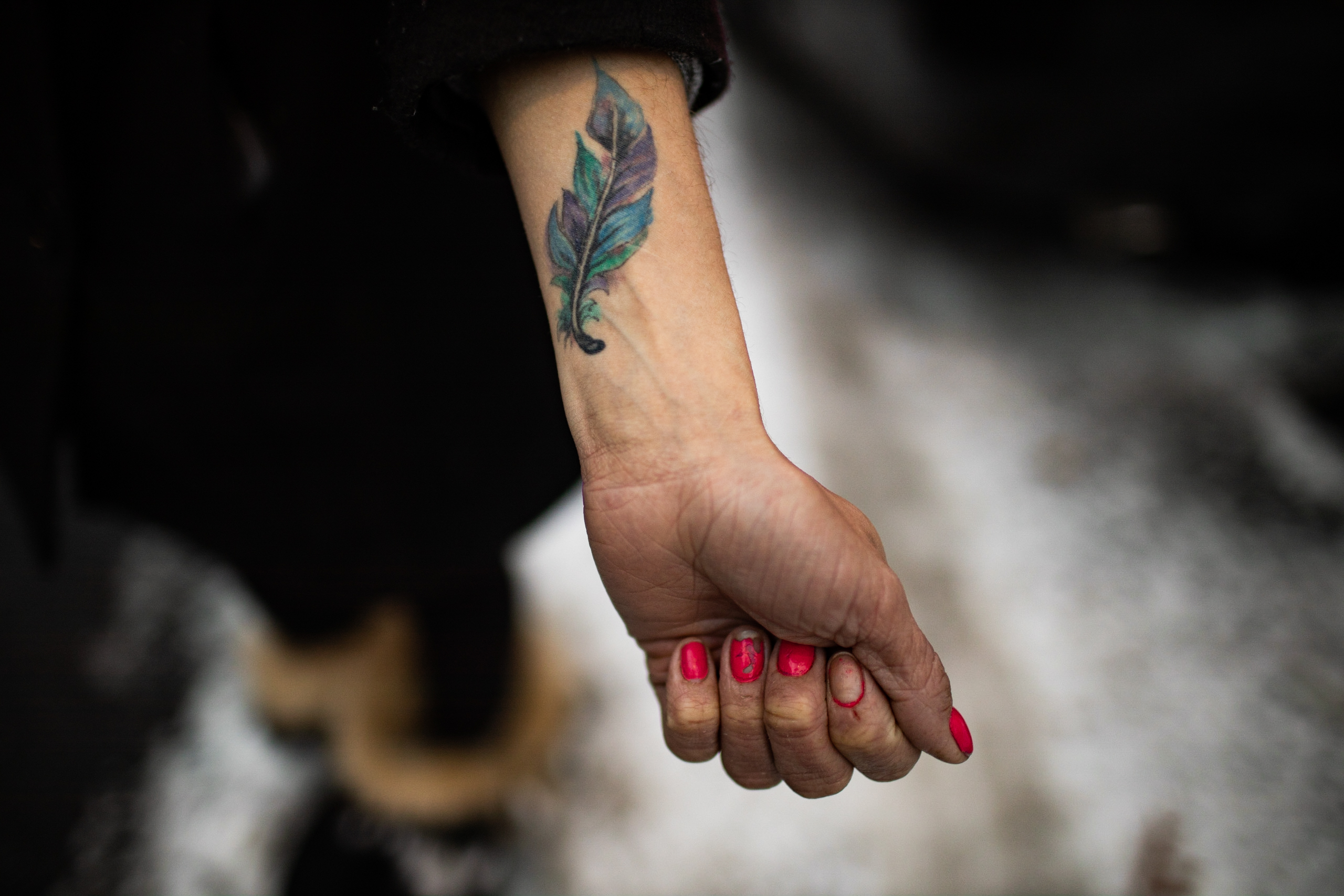
On Cary’s left wrist, a feather tattoo covers scars from earlier suicide attempts. What first appears delicate also carries another function: to shield, to soften, to hold history close to the skin. The mark gathers more than one meaning — injury, concealment, and survival. In Woman Rising, Cary has begun to speak from within that history, making room for her experience to be witnessed without pretending it has fully passed.
Addiction did not begin Cary’s story, but it became one of the ways her traffickers held her there. “I ended up getting really heavy into drugs when I was being exploited by my pimps,” she says. “They would either dose me or withhold drugs to keep me coming back.” What followed was not only dependency, but a deepening of isolation — trauma made harder to name, and harder to leave.
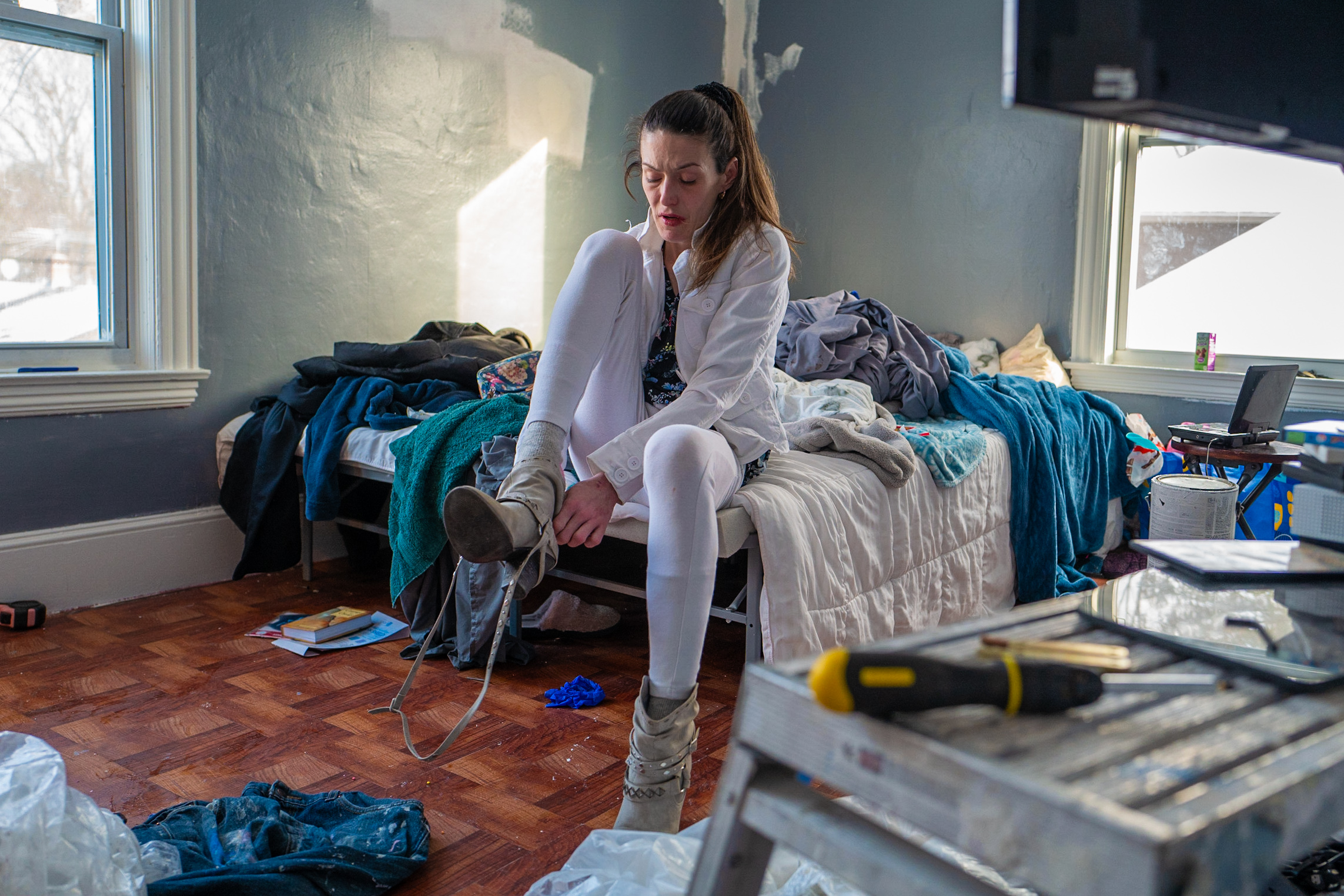
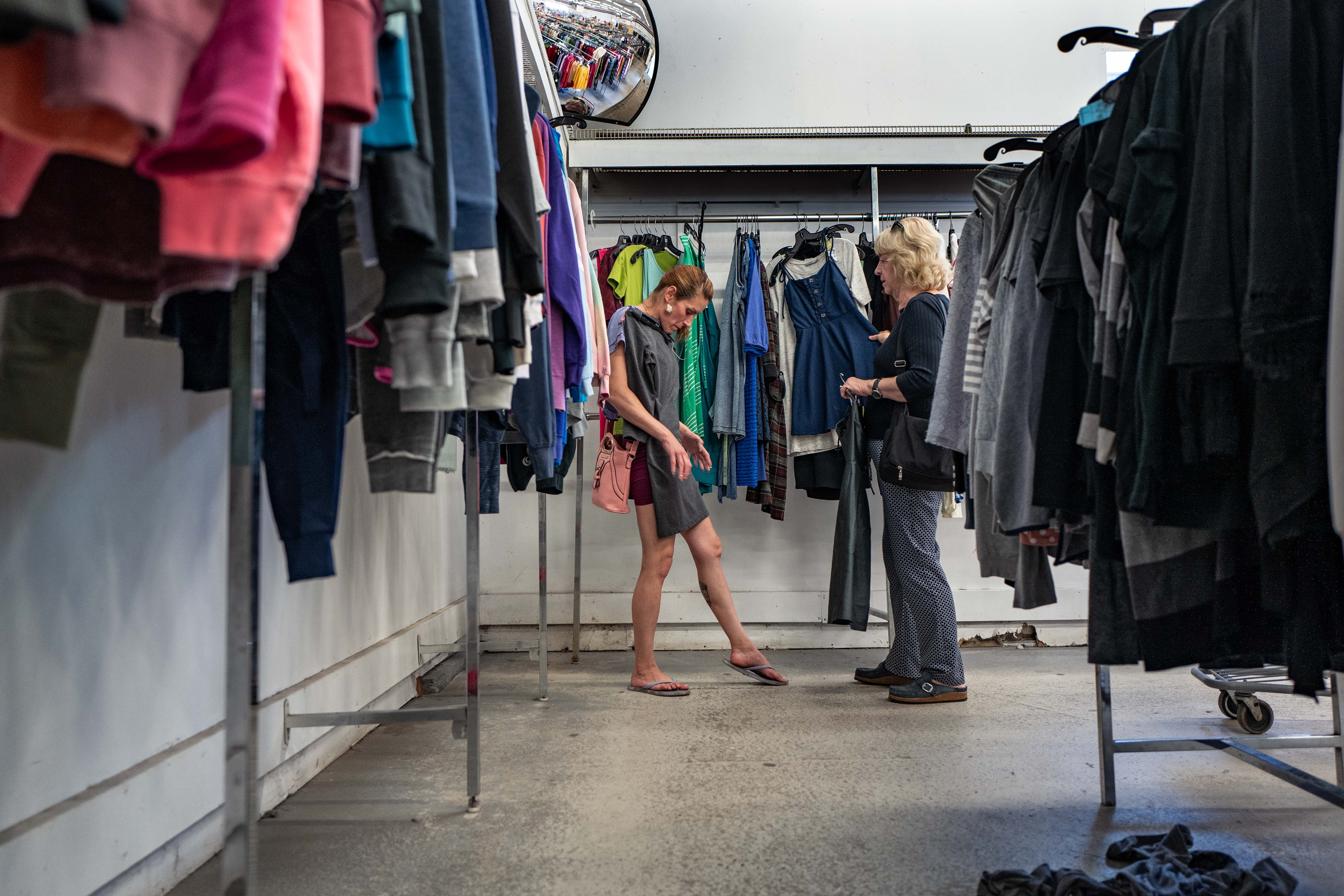
In Biddeford, Cary struggles to dress herself during a relapse. The moment holds the long afterlife of what has happened to her. Relapse, here, is not separate from survival. It is one of the ways survival remains burdened by what came before.
In January 2019, July 2021, and January 2022, Cary relapsed and entered rehabilitation. “Once an addict, always an addict. I’ll always struggle with my addiction. I must take it one day at a time. I just feel like a part of me has died.” Her words resist any easy language of recovery. They leave us instead with something more difficult and more honest: healing can be uneven, repetitive, and painfully unfinished.

And yet the work does not stay only in devastation. It moves toward smaller, quieter forms of endurance. Not the dramatic kind that announces itself as triumph, but the repetitive labor of continuing: remaining present, seeking help, caring for children, inhabiting another day without surrendering entirely to what has been carried for too long.
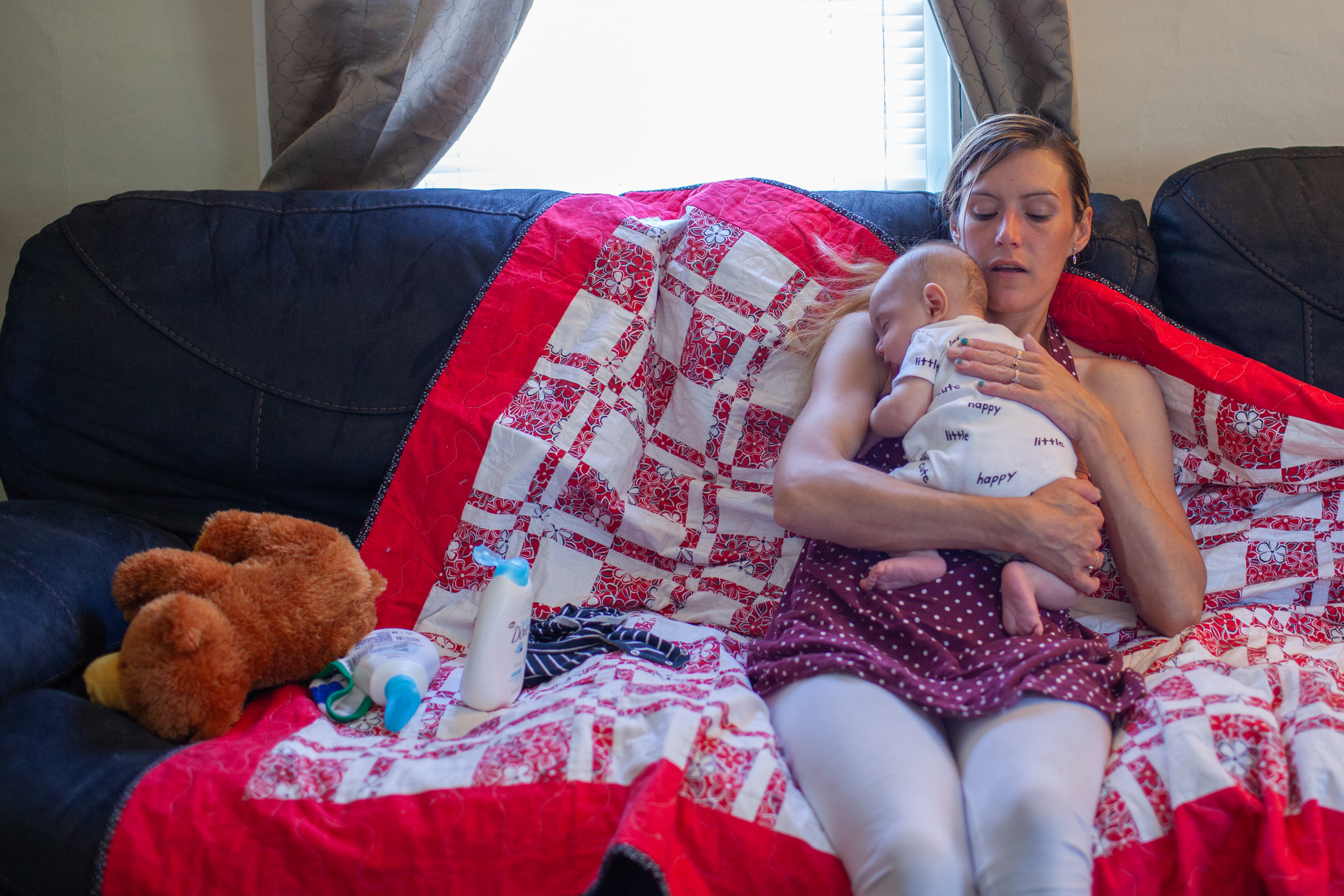
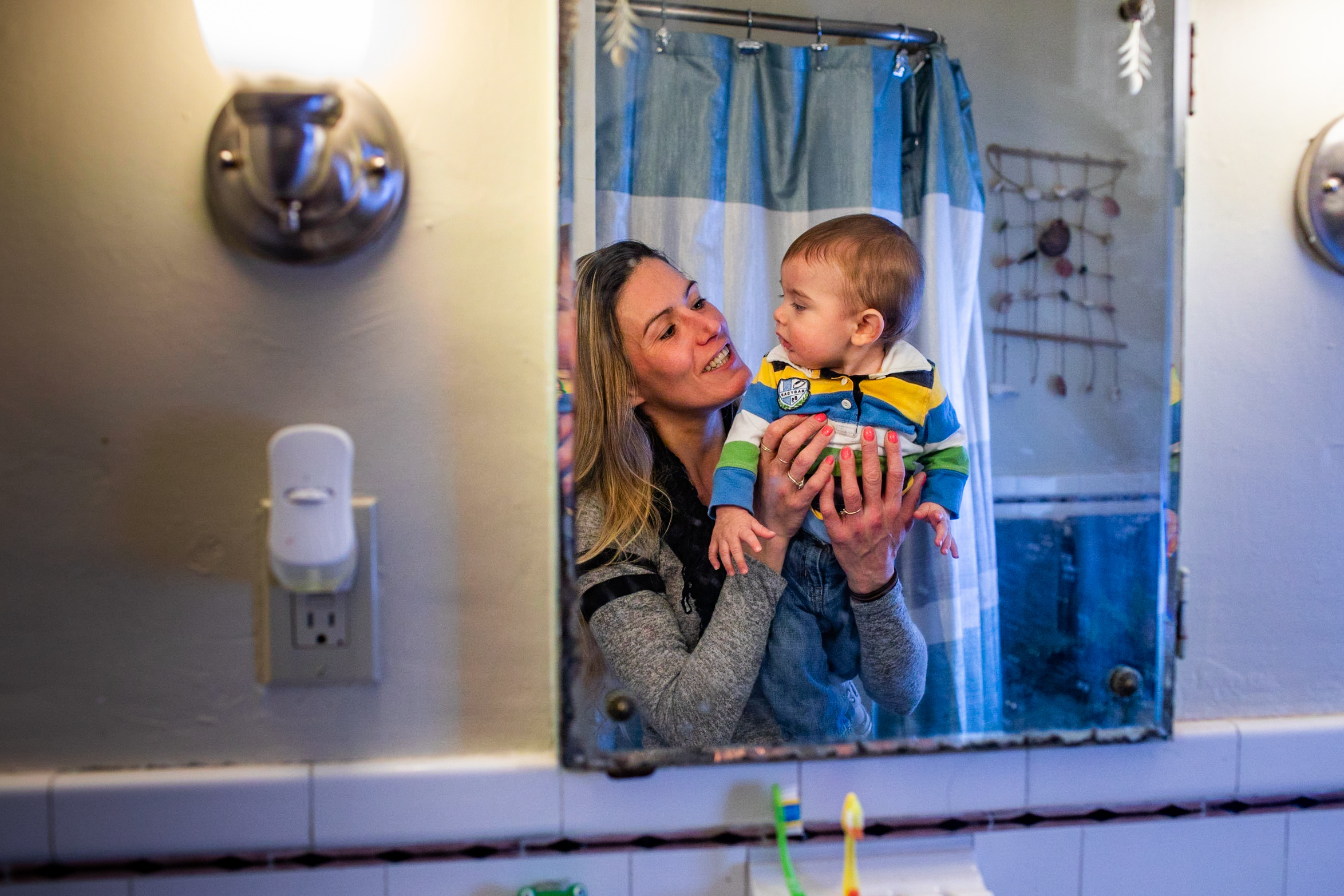
Motherhood does not simplify what has come before. The children here do not stand in for redemption. They deepen the stakes. They make visible another kind of courage — not resolution, but staying.
Her children remain both solace and ache. At times, they have been placed in foster care, and contact has come through supervised visits — hours that hold both closeness and distance at once. Even so, small moments of ordinary life persist: a day at the carnival, a child at play, the fragile shape of family briefly returning. “I just want him to know I tried,” Cary says. “That no matter how hard it gets, I always come back for him.”
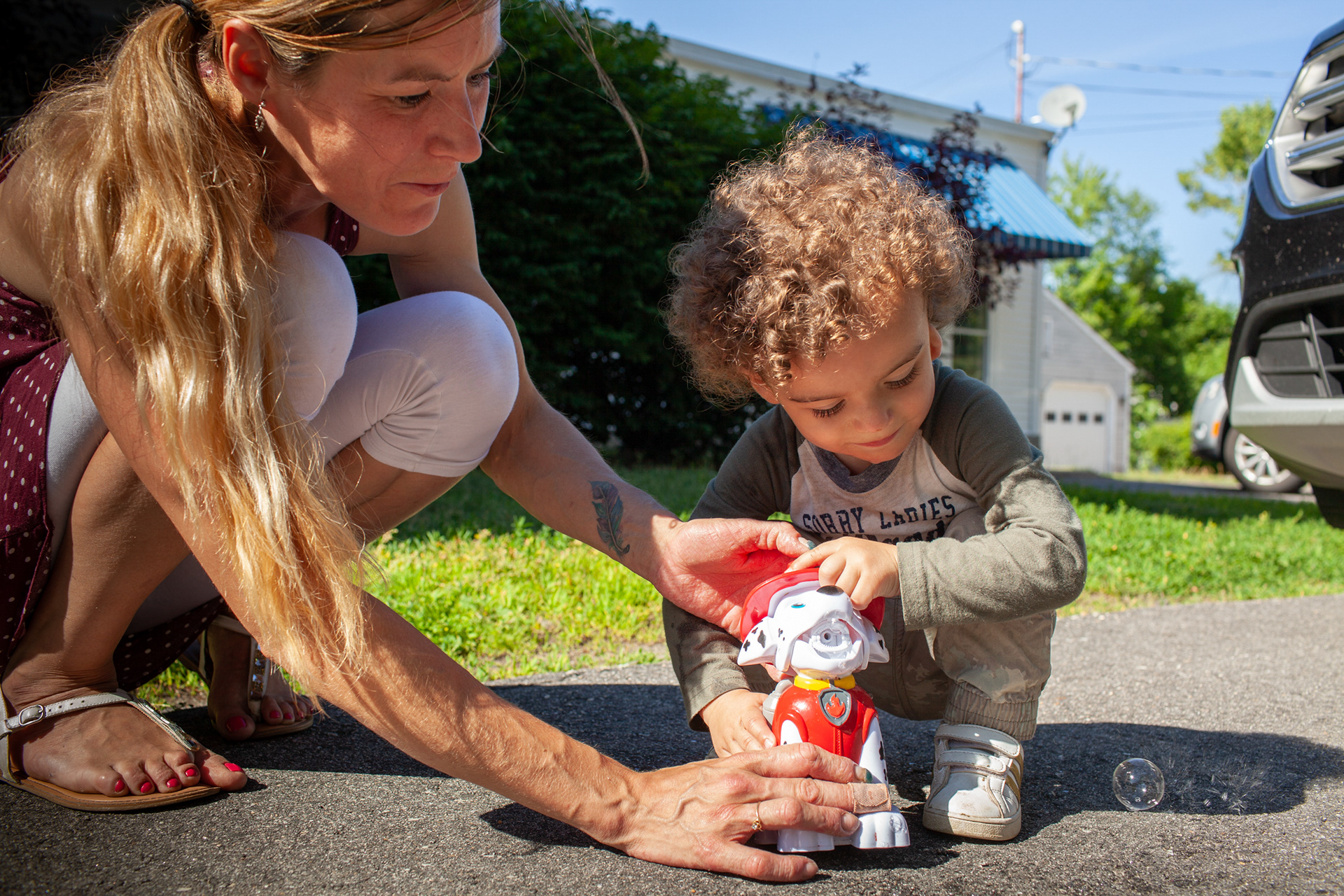
Watching Tristin in the yard outside their home, Cary holds another layer of grief and uncertainty. He was born with significant hearing loss, and she has wondered whether the violence she endured while pregnant left its mark there too. The question remains unresolved, but not unfelt. In these quieter moments, motherhood is not only care. It is also memory, fear, and the wish that something might still be protected.
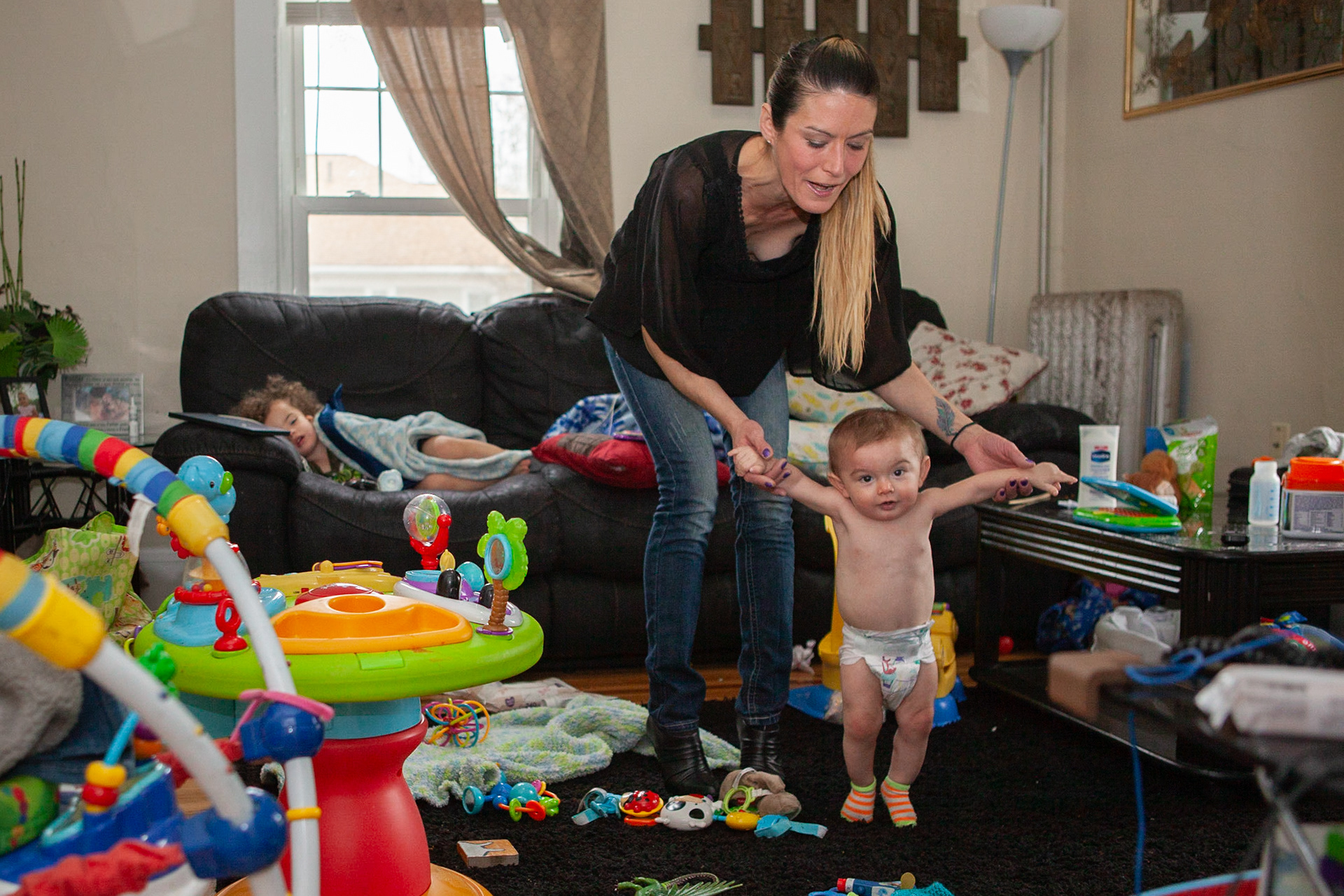
She speaks of wanting a better life for herself and her family — a healthier mind, body, and soul, and a way of raising her children less marked by the chaos she knew growing up. In that wish, motherhood becomes more than responsibility. It becomes a way of imagining another inheritance.
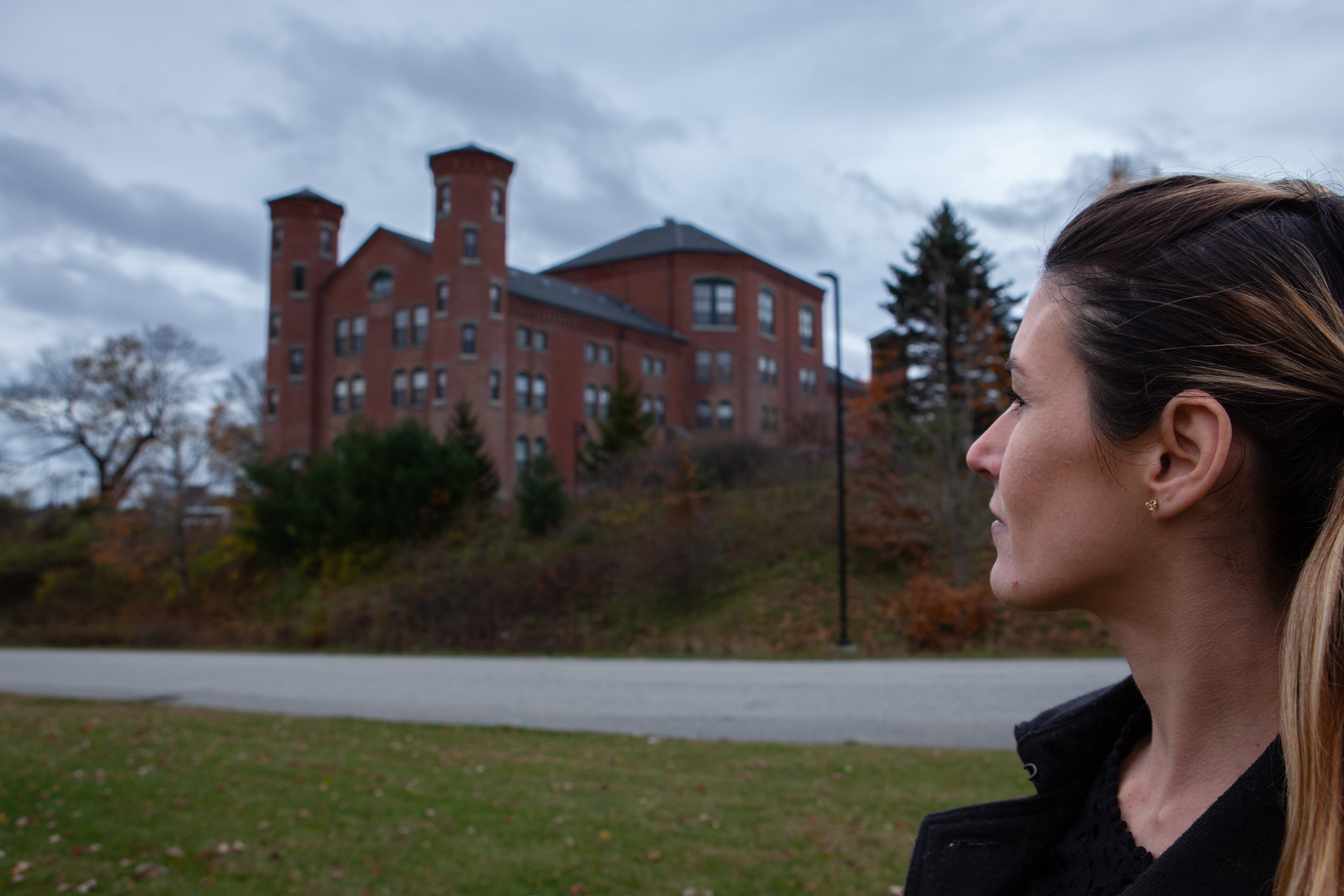
At fourteen, Cary was committed to the Maine Youth Center, where she remained until she was eighteen. Returning there years later, she faces an earlier version of herself — one marked by anger, fear, and the ache of not belonging anywhere. “I was on a tracking program. I was the worst kid in there because I figured I couldn’t go home. I felt like I wasn’t wanted, like nobody loved me,” she recalls. The false promises that came later did not arrive in empty space. They found her inside an already wounded life.
Cary’s exit from that life did not come all at once. After serving an eighteen-month prison sentence, she entered Hope Rising, a residential program in Maine for survivors of trafficking. There, through meetings, support groups, and survivor-written literature, she began to understand her past differently. “It was important to me,” she says. “It was during that time I could finally see myself — real self-realization. My whole life, I was always worrying about everyone else. Now, for the first time, I felt like I could take care of myself.”
Over time, another public self comes into view. Through Woman Rising, and through the communities of support that have held her, Cary’s story begins to move outward into a shared space of witness. Speaking does not undo the past, nor does it turn her life into a finished narrative of recovery. But it offers another form of presence: the chance to name what happened, to be heard differently, and to stand beside others still finding language for their own lives.
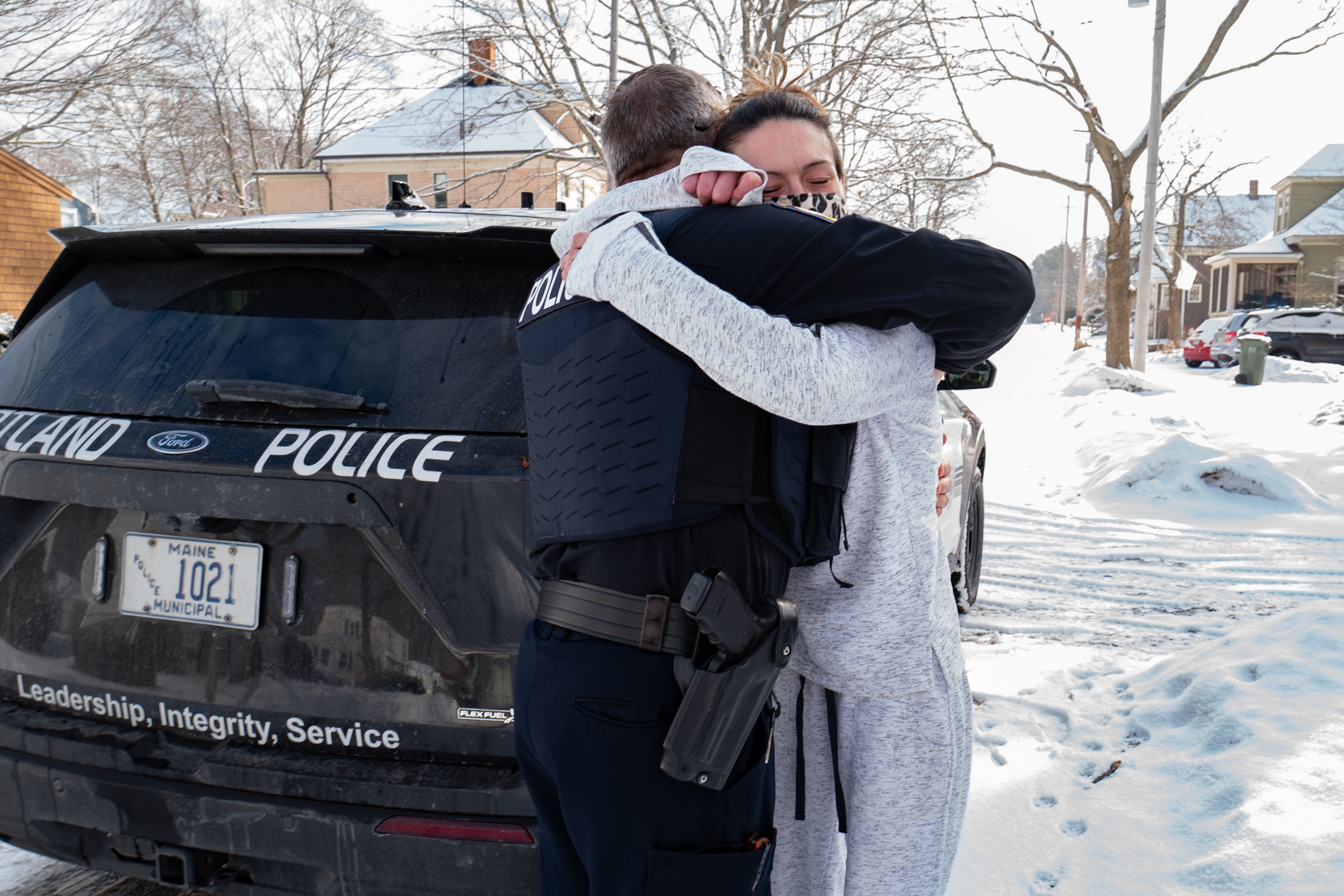
When Cary embraces Sgt. Tim Farris after seven years, the moment carries more than reunion. She has said that he was one of the first people to see her not simply as a criminal, but as someone in crisis. That recognition did not undo what had happened, but it altered the way she understood her own life.
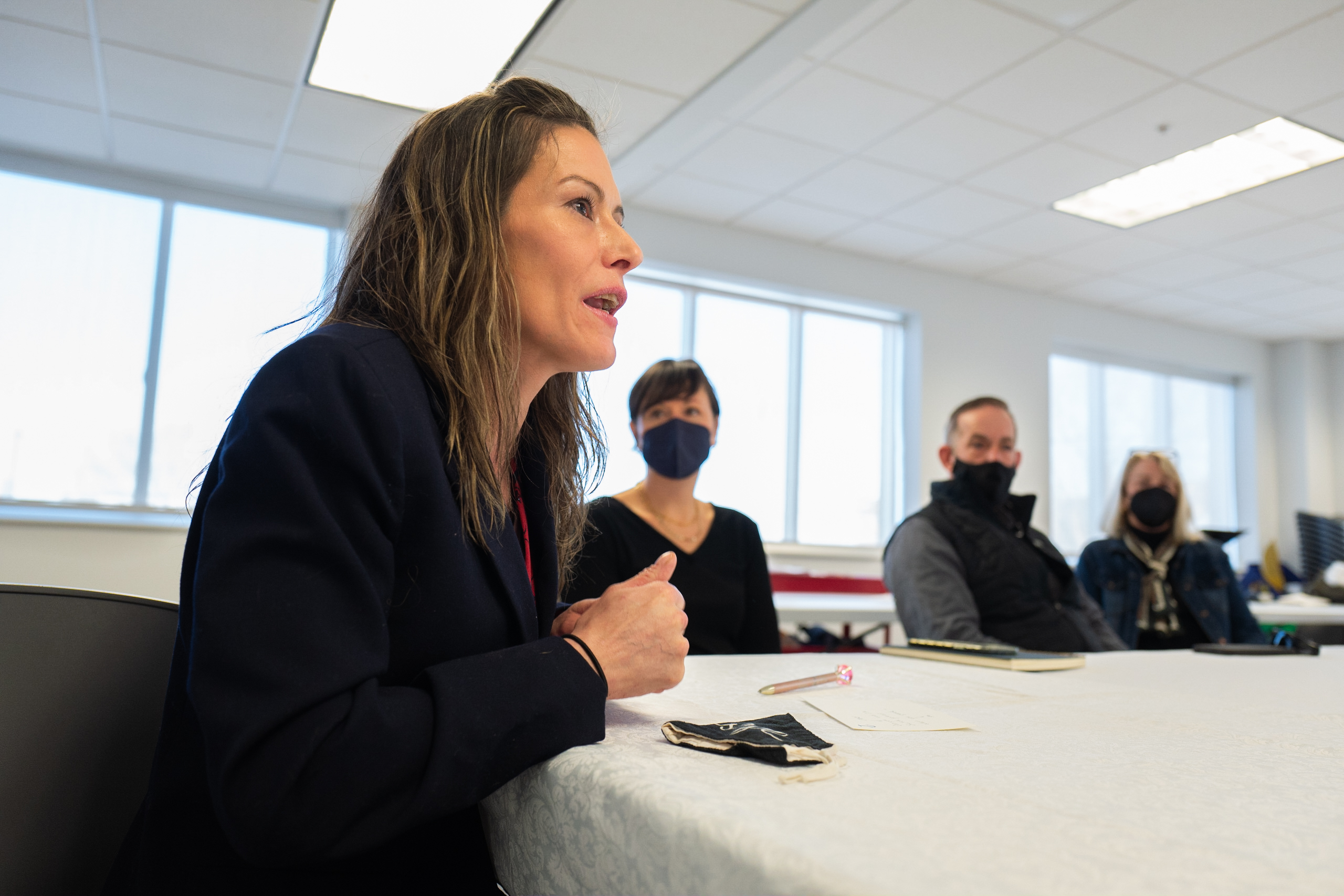
In workshops and public conversations, Cary now speaks from experience. She shares what has helped her endure — journaling, reflection, the difficult work of shaping a life after trauma. Speech becomes not closure, but another practice of living with what has happened.
Nothing here settles into certainty. What remains is the slower labor of becoming, of living with what has been carried and still moving toward something freer.
“Some days were much tougher than others to get to where I am today,” Cary says. “I just keep showing up, working on myself, growing, changing for the better, trying to overcome and understand what I’ve been through and who I am today.” Her words return instead to the ongoing labor of living: to keep showing up, to know oneself more fully, and to build a life that does not repeat the one that first made such freedom feel impossible.
To live free here is not a final state. It is a continuing practice.
Leave a reflection
What stayed with you after reading? We welcome thoughtful, respectful responses.